Running towards the explosion: Reporting from war in Iraq
By Duraid Adnan
Communications Director - GE Healthcare
Eurasian and African Growth Markets
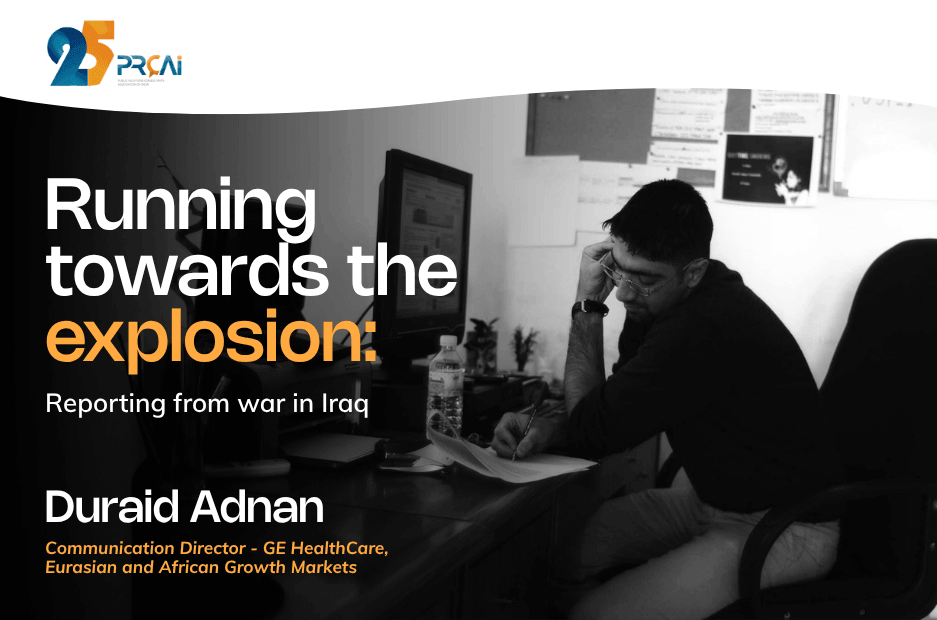
My first exposure to storytelling came long before I ever held a press credential. My father was a writer, but also a diplomat. I grew up watching how he observed the world, how he paid attention not just to events, but to their deeper meaning, and how those reflections shaped his life and work.
From him, I learned that words carry responsibility, and that how you tell a story can influence how people understand the world around them. That perspective stayed with me, and ultimately inspired my own path into journalism.
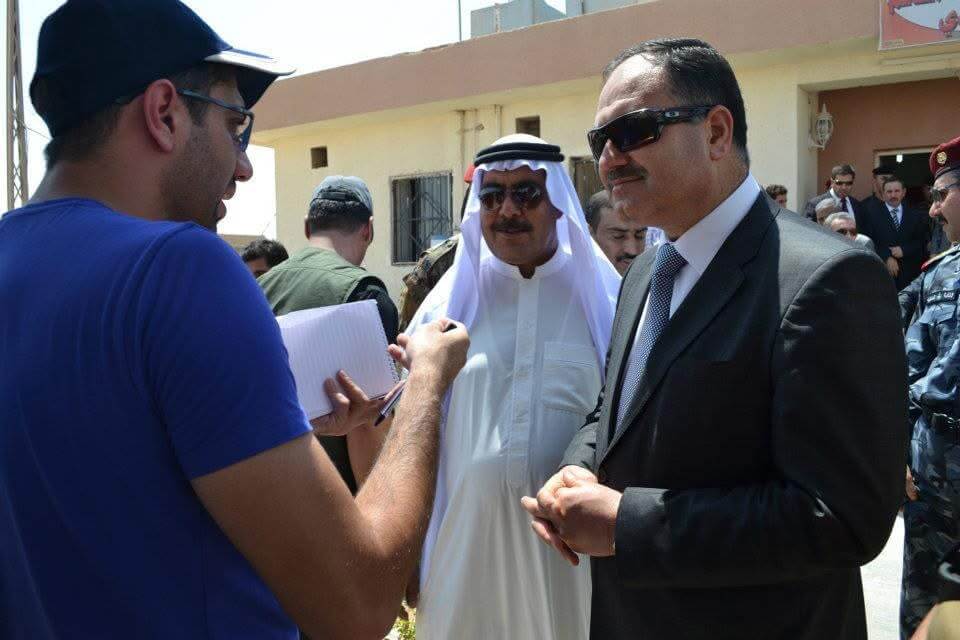
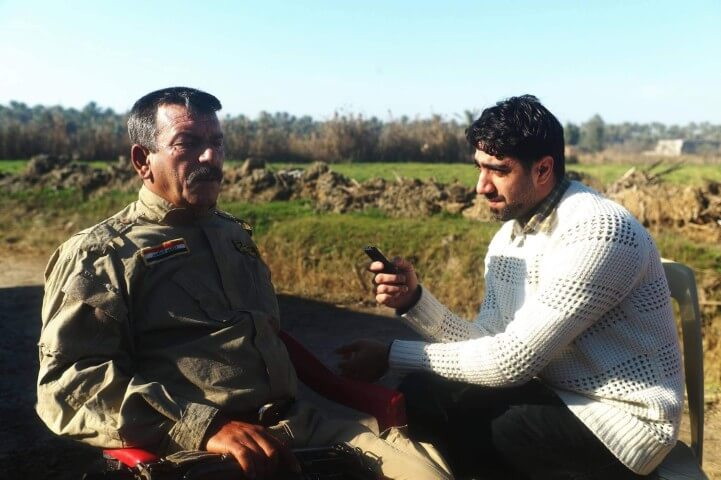
Do you ask someone minutes after losing a loved one how they feel? Or do you step back, observe, listen, and describe what words will never fully capture?
No matter how carefully you write it, language cannot translate that level of pain. But that does not remove the responsibility to try. In those moments, your purpose becomes clear: to show the world what is truly happening on the ground, with honesty, restraint, and humanity.

Covering war in Iraq required constant negotiation between urgency and accuracy, courage and caution. Every assignment began with an unspoken question: Is this story worth the risk today? Often, the answer only revealed itself afterward.
What stayed with me most was the weight of witnessing. Journalists in conflict zones do not report from a distance, we report while living the story ourselves. Fear becomes familiar. Loss becomes routine. And that normalization is one of the quiet dangers of prolonged conflict.
Working with international newsrooms reinforced journalism’s responsibility beyond speed or visibility. Editors relied on local journalists not only for access, but for judgment, knowing when to push back against incomplete narratives or oversimplified explanations. Iraq was never a single story, and war was never just numbers.
There is an emotional cost that rarely appears in print. What lingers most is not fear, but the effort required to remain human, to resist becoming numb, to continue seeing individuals instead of statistics.
Those years left a permanent mark on how I understand storytelling and responsibility. They taught me that clarity matters most in moments of chaos, that words can either humanize or distance, and that journalism, especially in times of conflict is not about speed or visibility, but about integrity. It is about resisting simplification and honoring the lives behind the headlines.
Writing this today has brought many of those memories rushing back. I can still feel the pain of what people went through. I can still hear the screams of a mother who lost her son right in front of her eyes. Some moments never fade; they live quietly within you, resurfacing when you least expect them.
If those years taught me anything lasting, it is this: there is nothing more precious than peace. And there is profound value in appreciating everything around us, the people, the quiet moments, even the smallest details we so often take for granted. For those who have witnessed life unravel in an instant, peace is not an abstract idea; it is the greatest privilege we can ever know.